Forensic Imaging Associates provides postmortem imaging, expert interpretation, and forensic radiology consultation for coroners, medical examiners, hospitals, families, and attorneys.
Every case begins with a different set of circumstances and questions. We work collaboratively with the professionals and families involved to identify the appropriate imaging services, review the available evidence, and deliver findings in a clear and useful format.

Postmortem CT Imaging
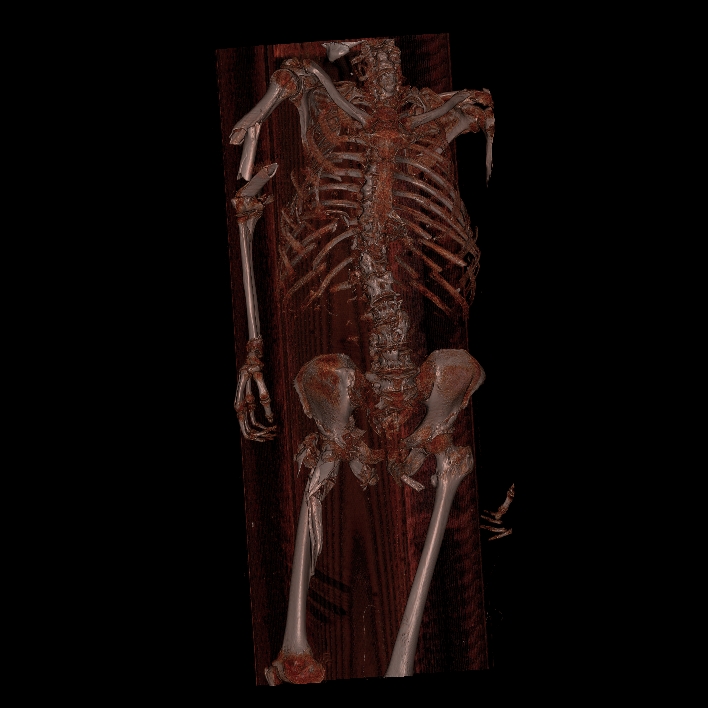
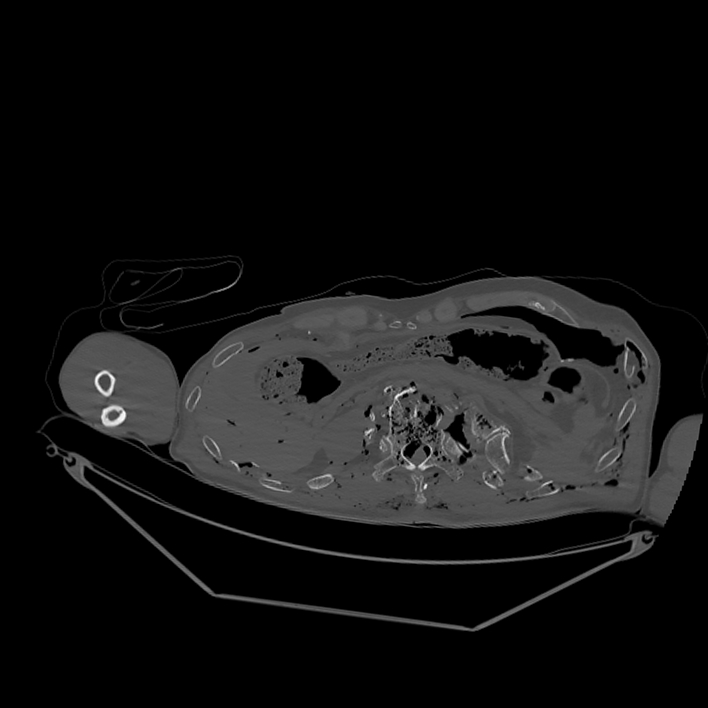
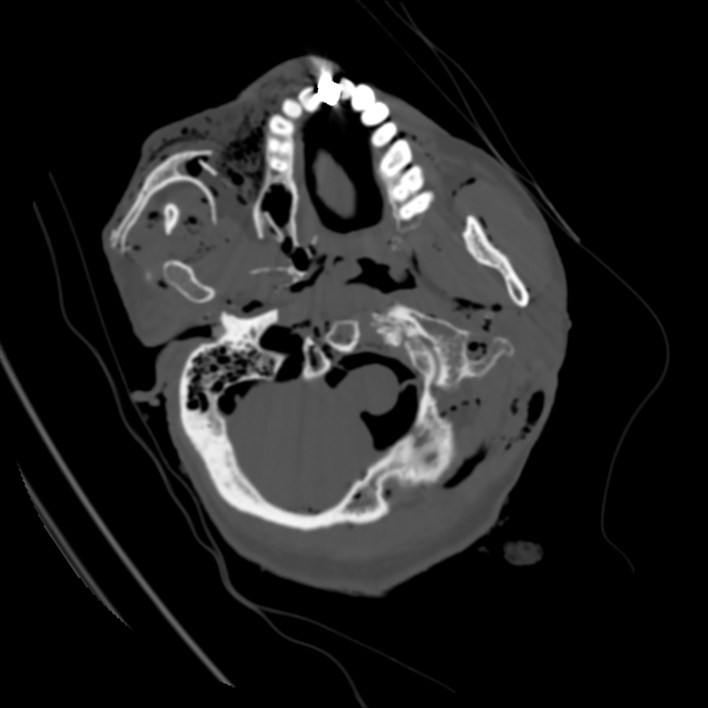
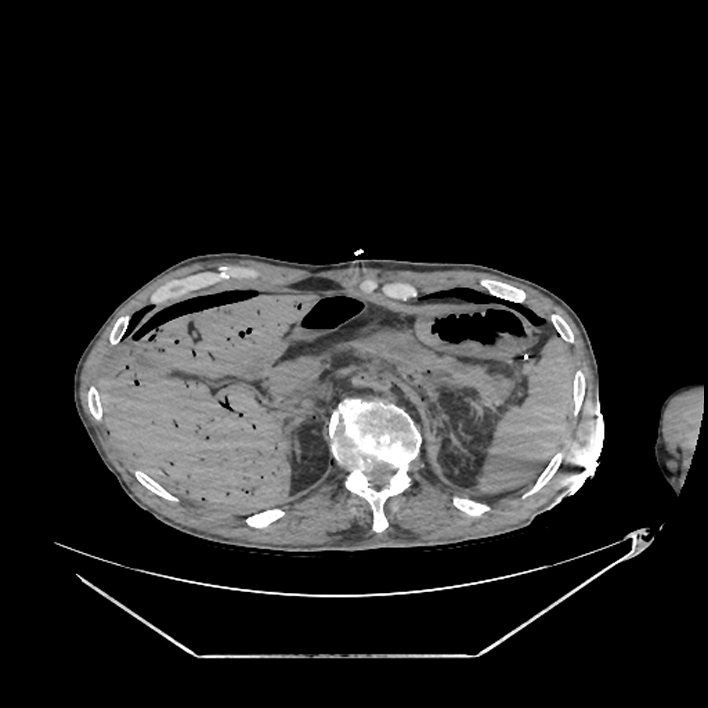
Postmortem computed tomography, commonly called postmortem CT or PMCT, uses medical imaging to examine the body after death. Because the process does not require surgical dissection, it offers a non-invasive method of documenting internal anatomy and identifying potentially significant findings.
A postmortem CT scan may help reveal:
- Skeletal injuries and fractures
- Foreign objects or materials
- The location of medical devices
- Gas within the body
- Certain internal injuries or disease processes
- Findings that may assist with human identification
- Areas that may require further examination
Postmortem CT is sometimes described as a “virtual autopsy” or “non-invasive autopsy.” However, imaging does not automatically replace a traditional autopsy in every case. Depending on the circumstances, it may serve as an alternative, help guide a subsequent examination, supplement autopsy findings, or assist investigators in determining whether additional procedures are warranted.
Our team evaluates the purpose of the examination, the questions being asked, and the limitations of imaging before offering conclusions about what a scan can establish.

Forensic Image Interpretation
Obtaining a postmortem CT scan is only the first step. The images must be interpreted by physicians who understand the differences between imaging performed before and after death.
After death, the body undergoes natural changes that can alter the appearance of organs and tissues. Some expected postmortem changes can resemble traumatic injuries or disease. Conversely, potentially important forensic findings may be overlooked or misinterpreted when images are reviewed without the appropriate context.
Forensic Imaging Associates provides focused interpretation of postmortem CT studies. Our review may incorporate:
- The circumstances surrounding the death
- Available medical history
- Information provided by investigators
- Findings from the scene or external examination
- Previous medical imaging, when available
- The specific questions the client needs answered
We communicate our findings in clear language and distinguish between what the images demonstrate, what they may suggest, and what cannot be determined through imaging alone.

Forensic Radiology Consultation
Some cases require more than a written radiology report. They require discussion, collaboration, and careful consideration of how imaging findings fit within the larger investigation.
Our forensic radiology consultation services help clients evaluate imaging evidence and understand its potential significance. Consultation may include case review, discussion of imaging findings, comparison with other available evidence, and guidance regarding the possible value of additional examination.
We work with coroners, medical examiners, hospitals, attorneys, and other professionals who need assistance answering questions such as:
- Are the imaging findings consistent with the reported circumstances?
- Is there evidence of traumatic injury?
- Could a finding represent a natural postmortem change?
- Would additional imaging or examination be useful?
- What can—and cannot—reasonably be concluded from the available images?
- Would consultation with another medical subspecialist strengthen the review?
Our role is to provide independent medical insight while respecting the responsibilities and authority of the professionals overseeing the investigation.

Human Identification Assistance
Medical imaging can provide important information when a person cannot be readily identified through conventional methods. CT images may document skeletal features, medical devices, prior surgical procedures, healed injuries, dental structures, and other characteristics that can be compared with available records.
Forensic imaging may be particularly useful in cases involving:
- Unidentified remains
- Severe trauma
- Burned remains
- Decomposed remains
- Fragmented or incomplete remains
- Multiple fatalities or mass-casualty events
Imaging is generally one component of a broader identification process and may be considered alongside dental records, fingerprints, DNA analysis, personal effects, medical records, and other investigative information.
Forensic Imaging Associates can assist investigators by reviewing imaging for potentially identifying features and collaborating with other specialists involved in the case.

3D Imaging and Demonstrative Exhibits
Complex medical images are not always easy for a non-medical audience to understand. Three-dimensional reconstructions and other visual exhibits can help clarify the location, extent, and relationship of relevant findings.
Depending on the needs of the case, imaging data may be used to create:
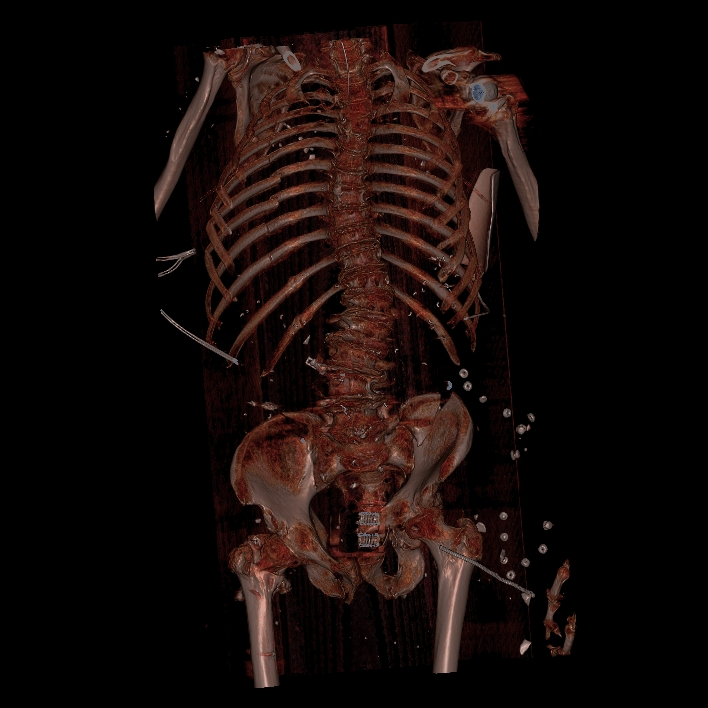
- 3D reconstructions of bones or injuries
- Annotated images identifying significant findings
- Side-by-side imaging comparisons
- Visual timelines or case presentations
- Demonstrative exhibits for legal proceedings
- Educational materials for investigative or medical review
These materials may be useful during consultations, case conferences, depositions, mediation, trial preparation, or courtroom presentations. Each exhibit is developed to communicate the medical information accurately without overstating what the imaging can prove.

Medical Subspecialty Consultation
Certain cases involve findings that extend beyond the expertise of any single physician. Forensic Imaging Associates can coordinate review through a network of medical subspecialists when a case would benefit from additional expertise.
This collaborative approach may be valuable when imaging raises questions involving a particular organ system, type of injury, medical condition, or previous treatment. The appropriate consultants will depend on the facts and needs of the individual case.
By drawing upon relevant subspecialty knowledge, we can help clients receive a more complete and carefully considered assessment.
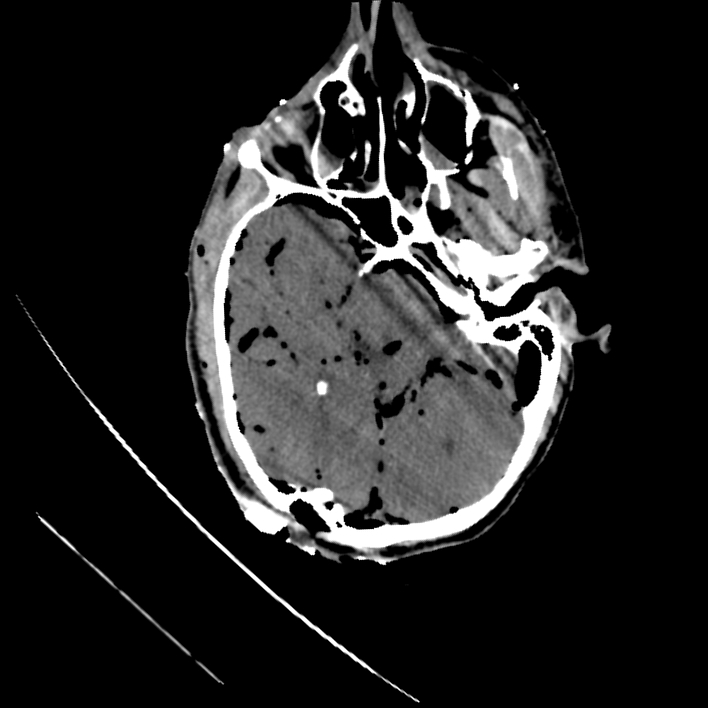
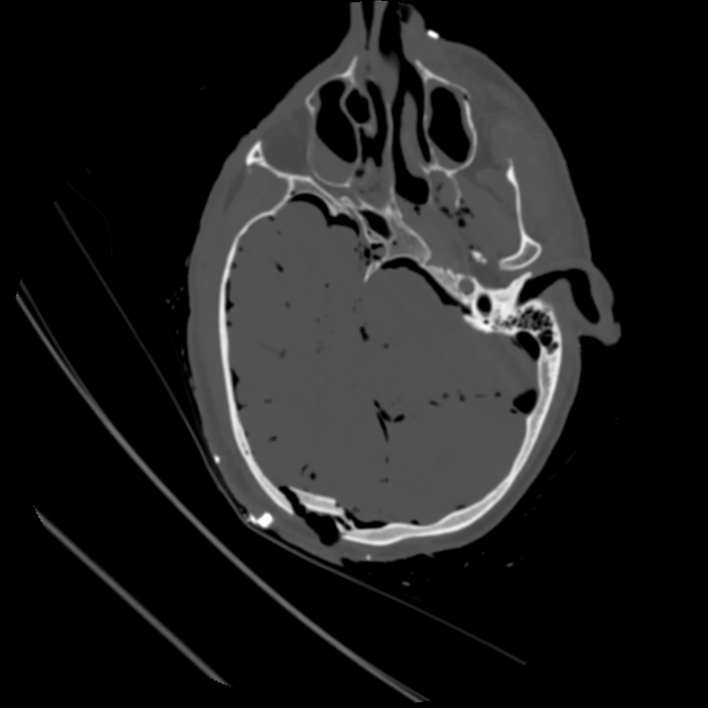
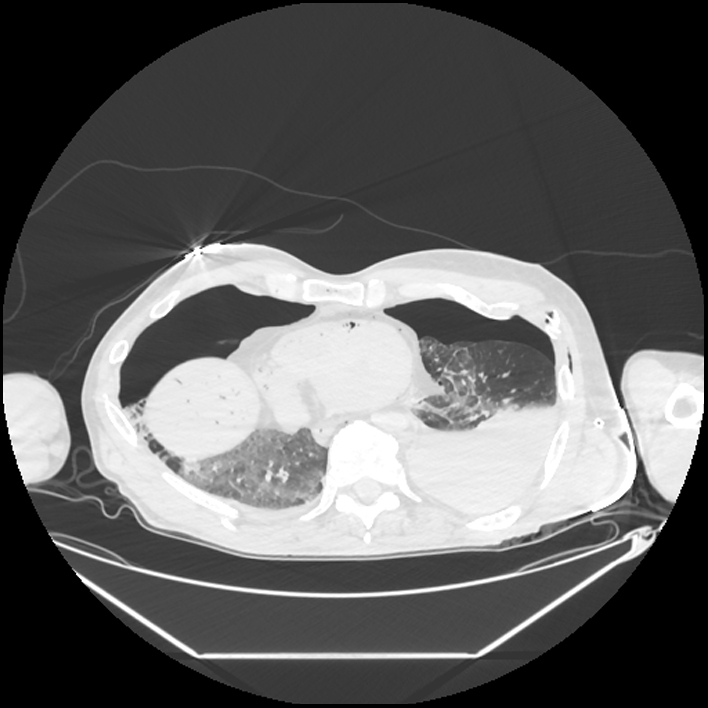
Case Studies
Who We Serve
Coroners
Coroners often work with varying access to forensic pathology services and statutory responsibilities that must be met within specific local procedures.
Forensic Imaging Associates offers collaborative support designed around the needs of the investigating office. Postmortem CT and expert interpretation may help document injuries, identify foreign objects, evaluate skeletal trauma, support identification, or help determine whether additional examination is necessary.
Our services can be incorporated into an office’s existing death-investigation process. We do not seek to replace the judgment or authority of the coroner. Instead, we provide specialized imaging expertise that can strengthen the available medical evidence and support informed decision-making.
Medical Examiners and Hospitals
Medical examiners and healthcare organizations may encounter unexpected deaths, unanswered clinical questions, requests from families, or cases in which postmortem imaging could provide additional information.
We provide image interpretation and consultation that may assist with:
- Evaluation of unexpected or unexplained deaths
- Review of possible traumatic findings
- Family-requested postmortem examinations
- Comparison with imaging performed before death
- Examination of medical devices and procedures
- Internal clinical or quality-improvement review
- Determining whether further examination may be appropriate
We collaborate with the physicians, investigators, risk professionals, and other stakeholders involved while maintaining a clear distinction between imaging findings and broader determinations that may require pathology, toxicology, or additional investigation.
Families
The sudden or unexpected death of a loved one often leaves families with difficult questions. Some families also have concerns about a traditional autopsy because of religious beliefs, cultural practices, personal preferences, or the desire to preserve the body.
Postmortem imaging may offer a respectful, non-invasive way to gather information after death. In appropriate cases, it can identify injuries or other findings without surgical dissection. It may also help determine whether a traditional autopsy or another type of examination should be considered.
We approach family inquiries with compassion and transparency. We explain what forensic imaging may be able to show, what its limitations are, and what other professionals may need to be involved.
The availability of a family-requested postmortem CT may depend on the location of the body, the circumstances of death, the authority responsible for the case, and access to an appropriate imaging facility.
Attorneys
Medical imaging can play an important role in legal matters involving injury, medical treatment, cause of death, identification, or disputed interpretations of the evidence.
Forensic Imaging Associates provides independent medical imaging review and forensic radiology consultation for attorneys and legal teams. Our services may include:
- Review of postmortem or diagnostic imaging
- Independent evaluation of an existing radiology interpretation
- Identification and explanation of significant imaging findings
- Comparison of imaging with medical records or reported events
- Consultation regarding the strengths and limitations of imaging evidence
- Development of 3D images or demonstrative exhibits
- Assistance communicating complex medical information clearly
Our analysis is grounded in the available evidence and the limits of medical imaging. We do not tailor conclusions to a desired legal outcome.
Start With a Case Consultation
If you are considering postmortem CT, need expert interpretation of existing images, or have questions about how forensic imaging could support an investigation, we are here to help.
Contact Forensic Imaging Associates to discuss the case, the questions you need answered, and the services that may be appropriate.